
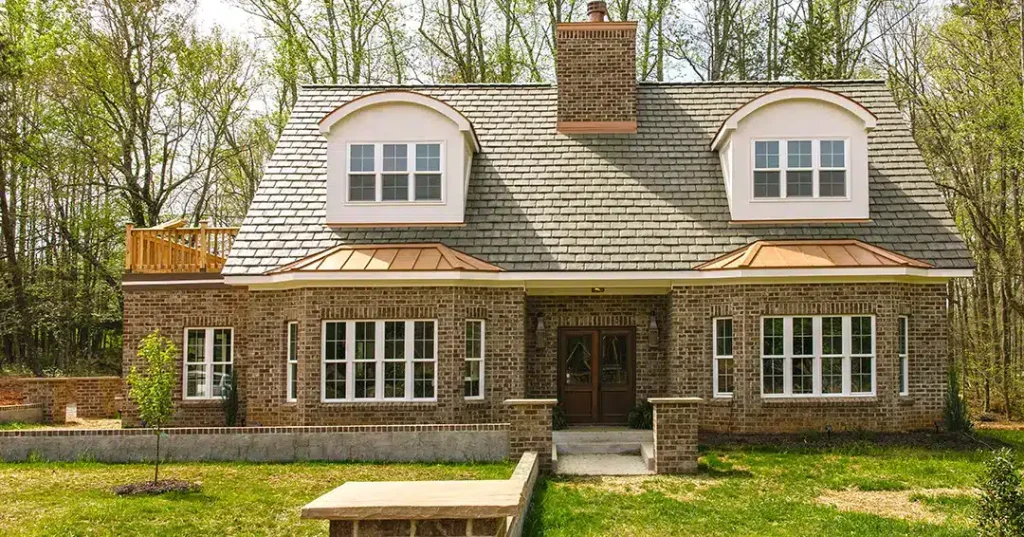
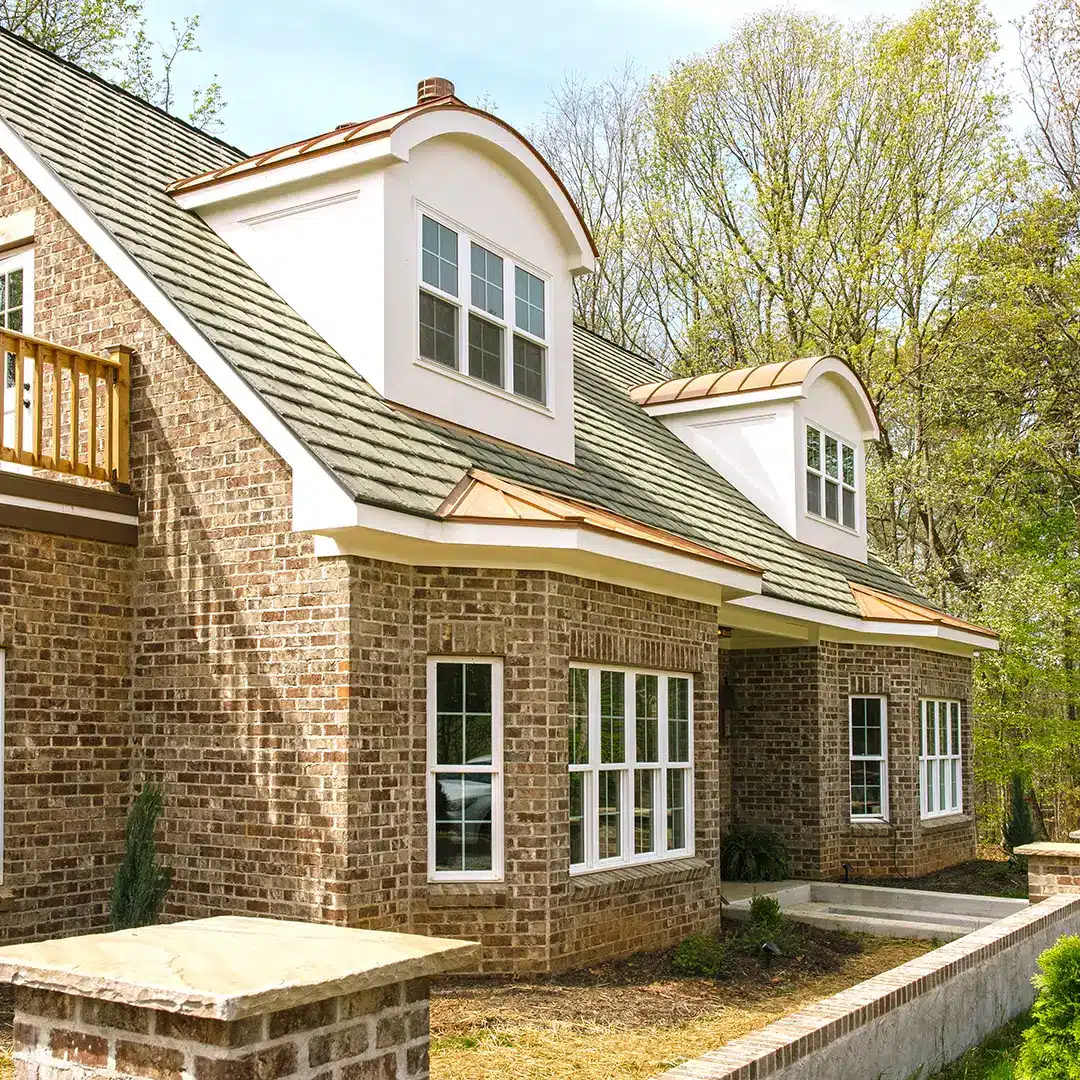
British author C.S. Lewis, best known for The Chronicles of Narnia books, celebrated the art and craft of brickmaking. His home in Oxford, England, was called The Kilns because the quarry and brickyard on the property supplied much of the town’s development. He made the brick used in his home on the property. When Magnalia Homestead and Farm in Stokesdale, NC set out to build a house in honor of Lewis, the only choice for building material was nearby brick: Ashton Court brick made by Pine Hall Brick Company.
Photos: Alayna Coyer
Brick is well known for lending authenticity to any building project, but it’s rarely chosen because it—in and of itself—plays such an integral role in its surroundings.
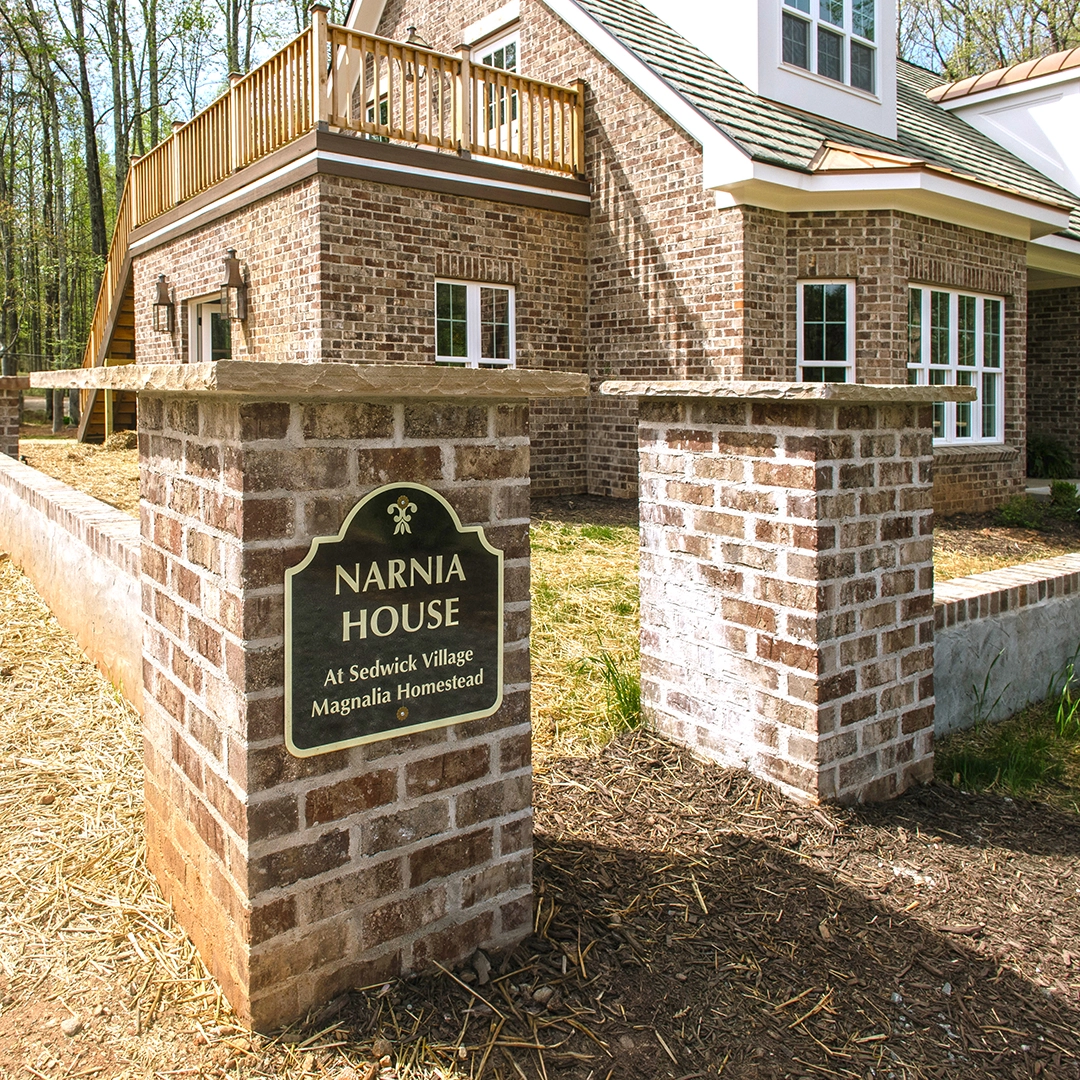
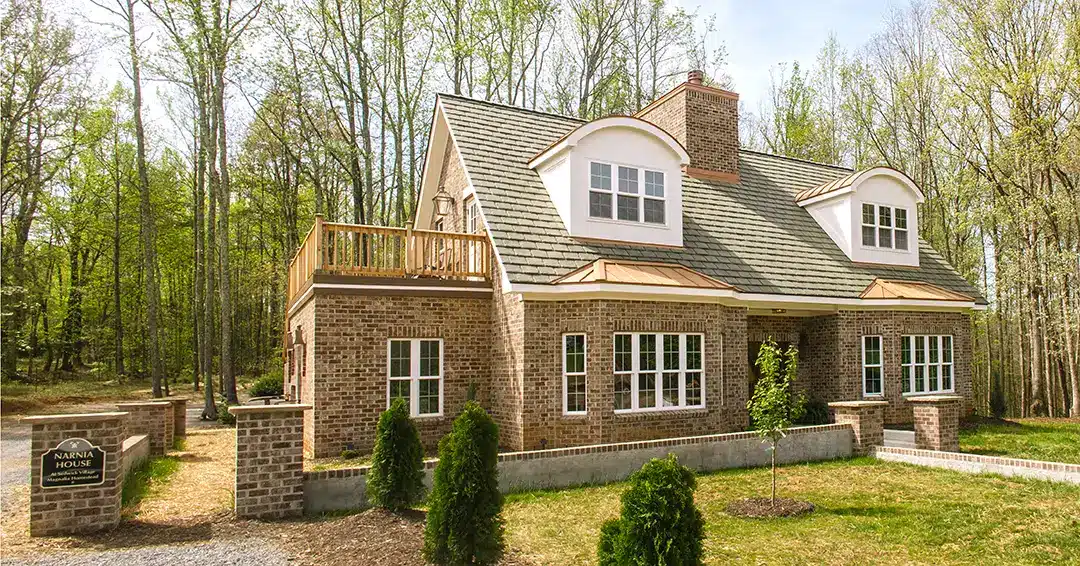
Narnia House is such a place. It’s an experience destination—a place for travelers to stop and stay for a time. It has attracted guests from around the world, especially those inspired by the writings of C.S. Lewis, author of The Chronicles of Narnia.
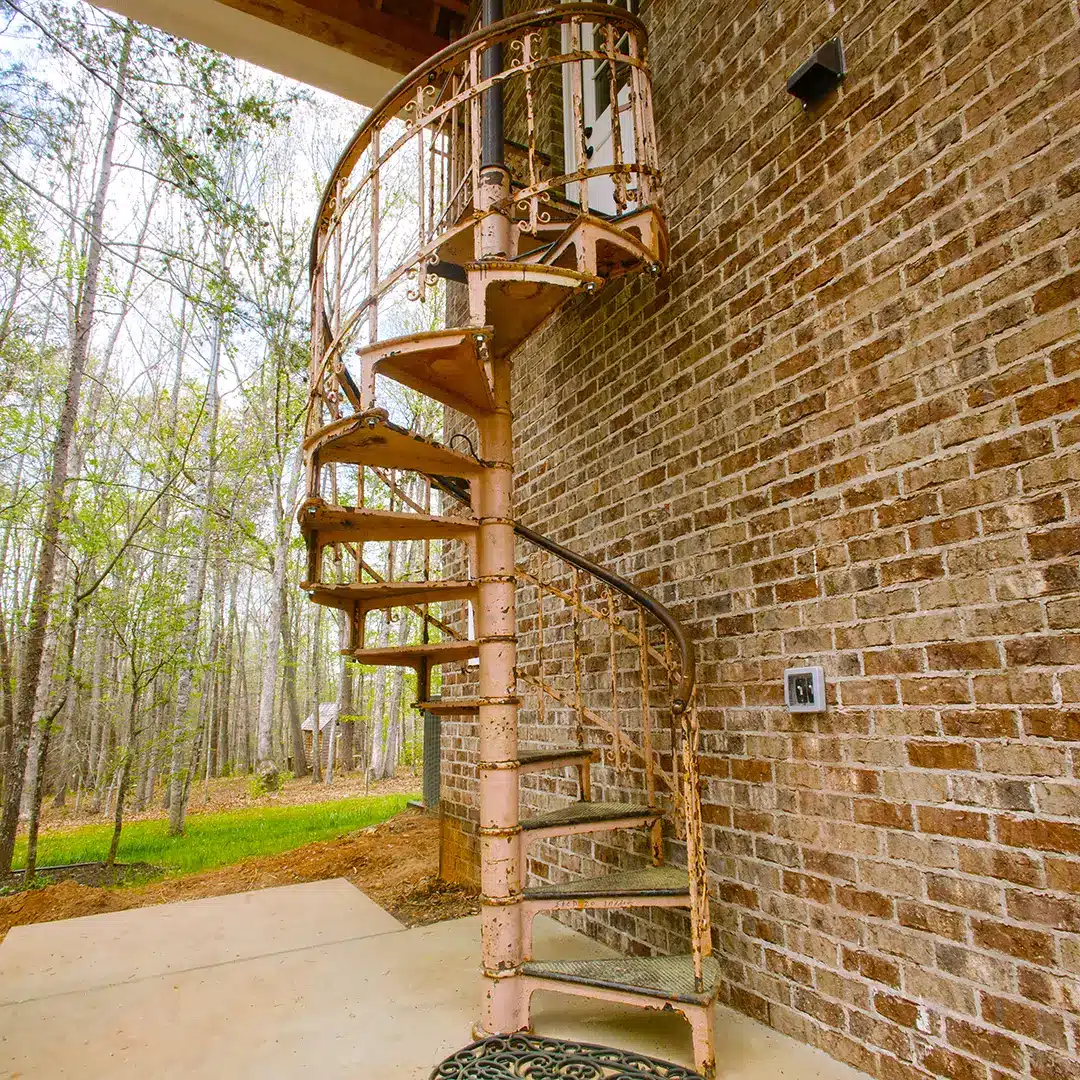
Designed to replicate elements of Lewis’s one-and-only home in Oxford, Narnia House is filled with artifacts from Narnian lore and the world of C.S. Lewis. Exquisite craftsmanship includes hand-distressed wood floors, real stone countertops, a spectacular kitchen with a Viking oven, manufactured slate and copper roofing, historic gas lanterns, a 1910 spiral staircase, and much, much more.
As an Airbnb, it’s a memorable place to spend a night. As a cottage on the Magnalia Homestead and Farm retreat center, it provides guests with a meditative space dedicated to a beloved author and theologian. Narnia House is now part of what the Magnalia Foundation website calls “a kind of Parish Village which reflects a ‘theology of place’ —each venue is connected to history, literature, and the theology behind it all.”
The man who is contented to be only himself, and therefore less a self, is in prison. My own eyes are not enough for me, I will see through those of others… and am never more myself than when I do.
Photo by John S. Murray. Public domain, via Wikimedia Commons
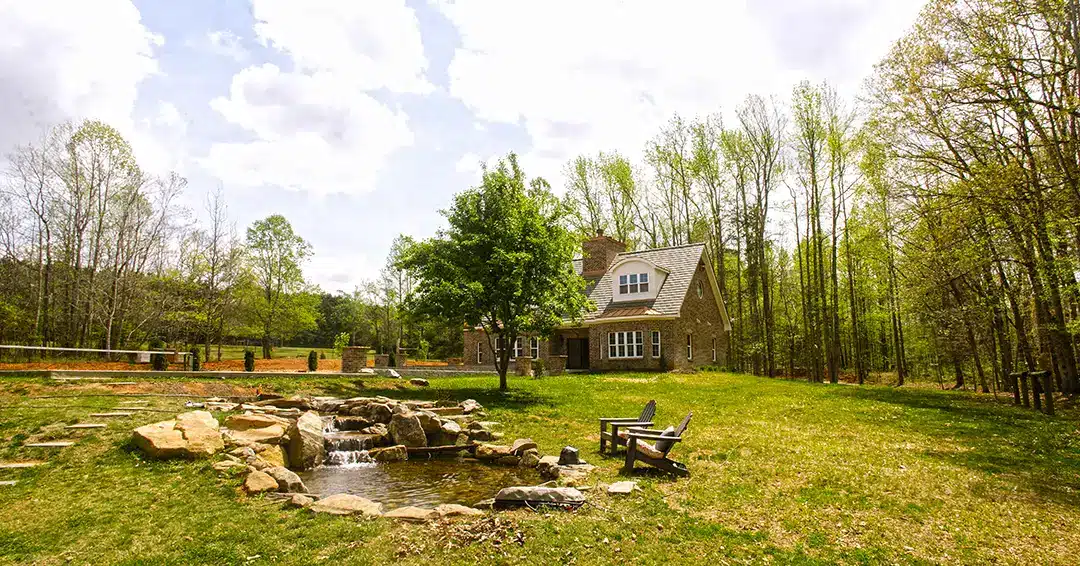
Ashton Court inside and out
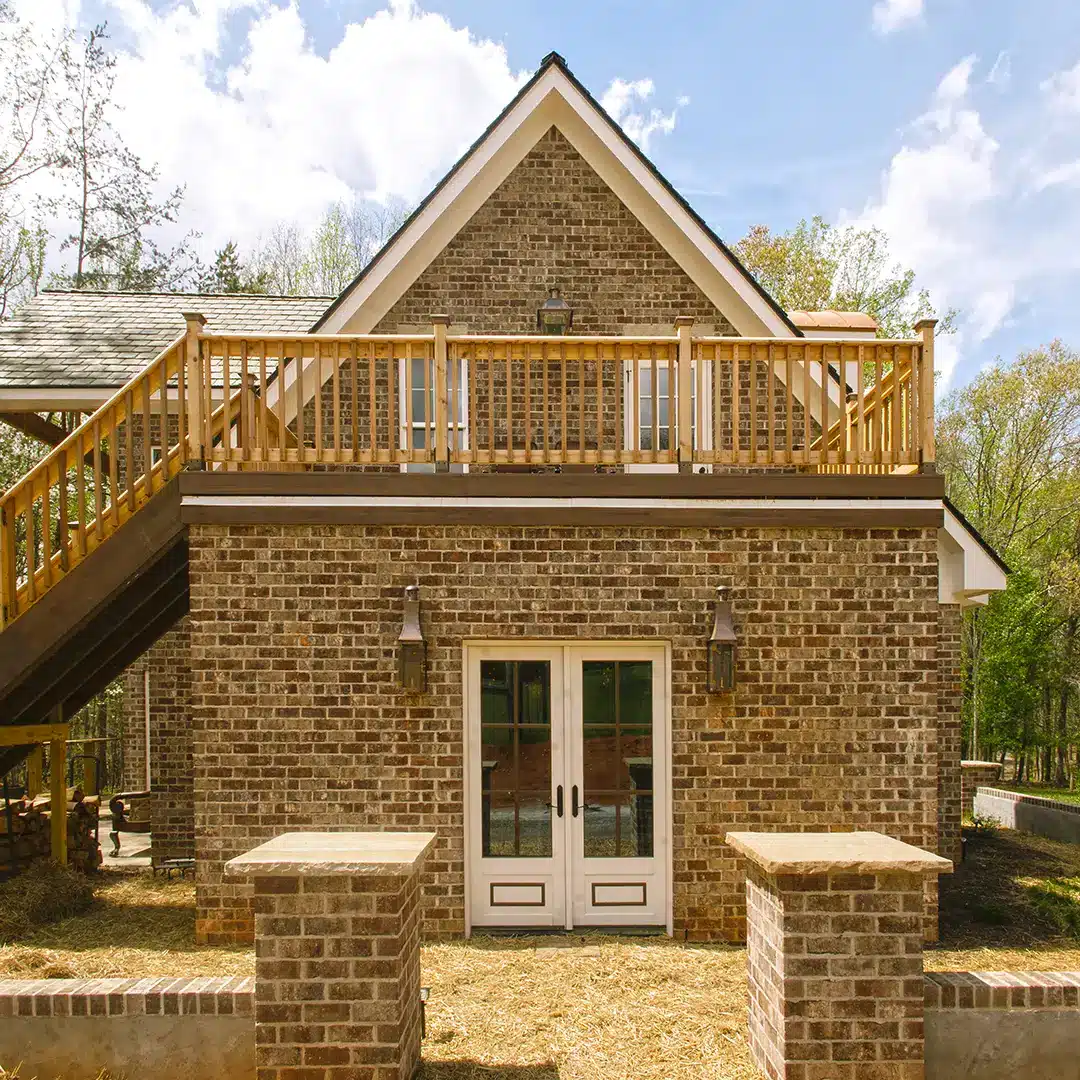
Rooms include Kirke’s Quarters, complete with a Cambridge-style fireplace and a magical wardrobe; the nautical-themed Caspian’s Quarters; and The Wood Between the Worlds Room, with access to a private deck overlooking a horse pasture (where you can see Bree and Puzzle grazing).
Narnia House grounds include a private pickleball court. Guests have stone-throw access to a period blacksmith shop, Walden Cabin and Pond, a 22-box community garden and garden shop, special seating areas perfect for a good read, and nearly two miles of walking trails and forest bathing sites. Follow all that with a steaming bath in the English-style clawfoot tub. It doesn’t get much better.
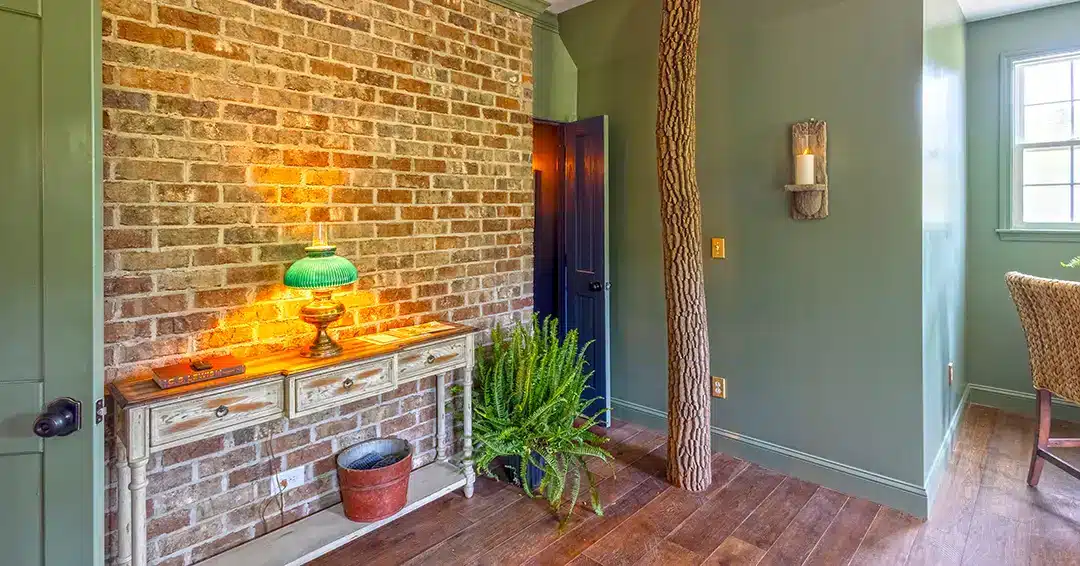
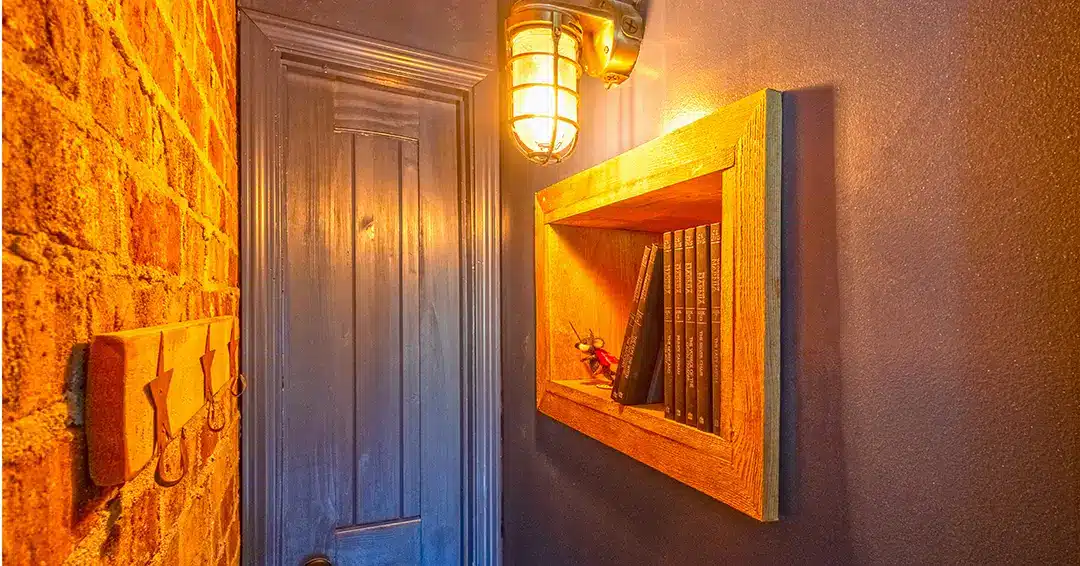
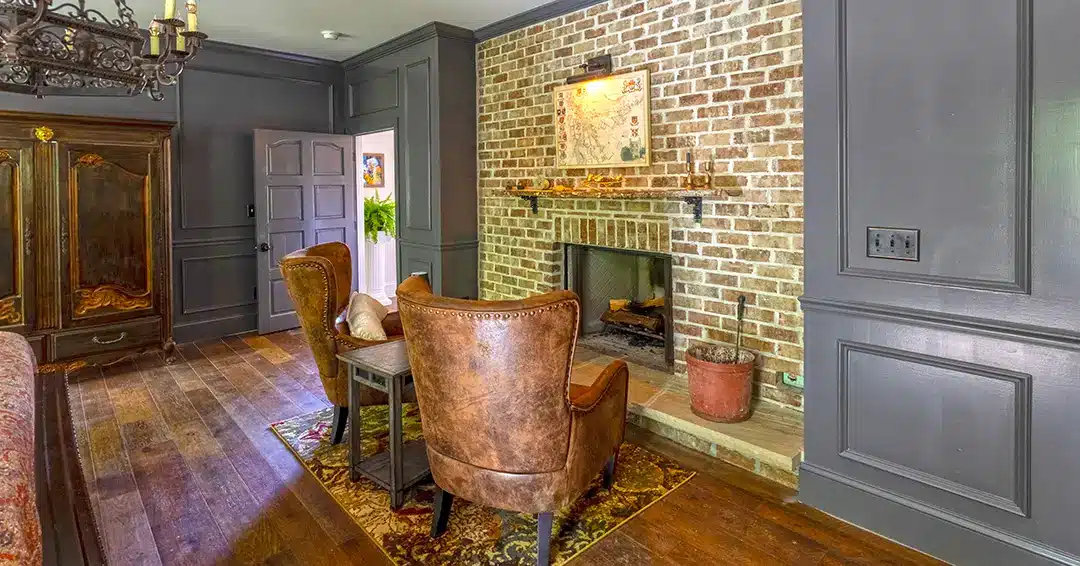
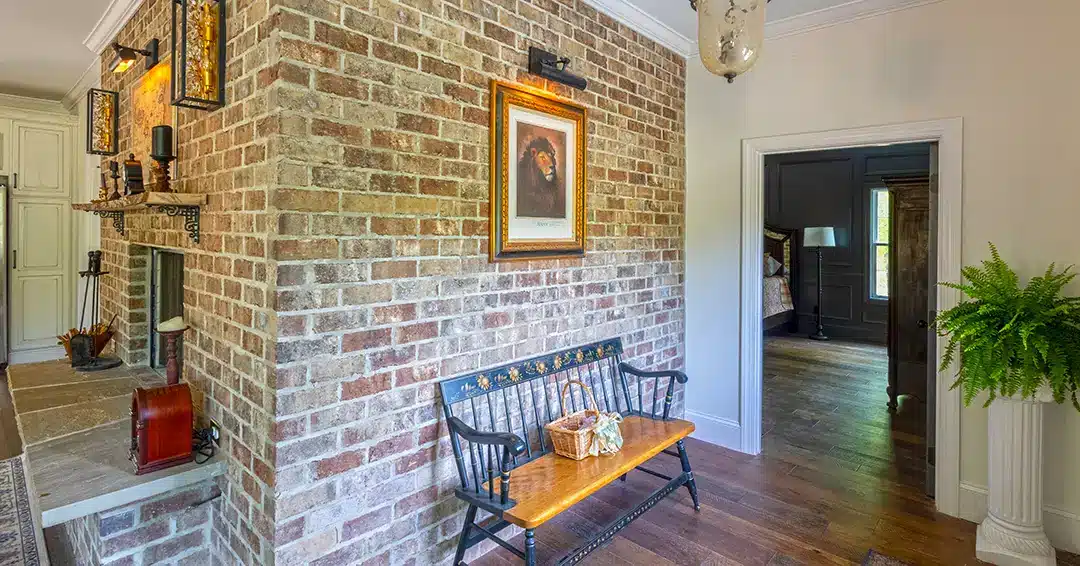
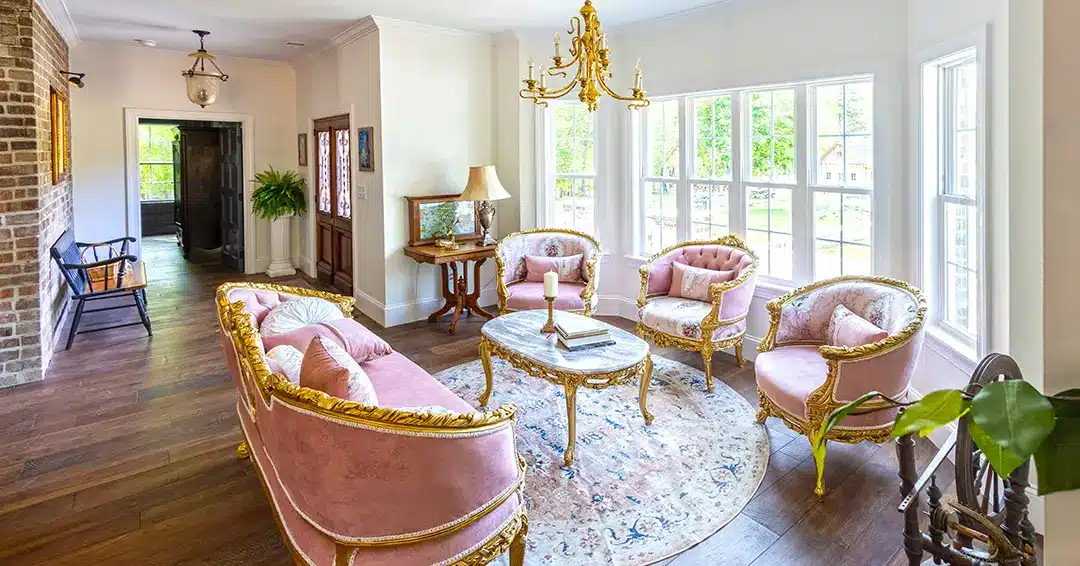
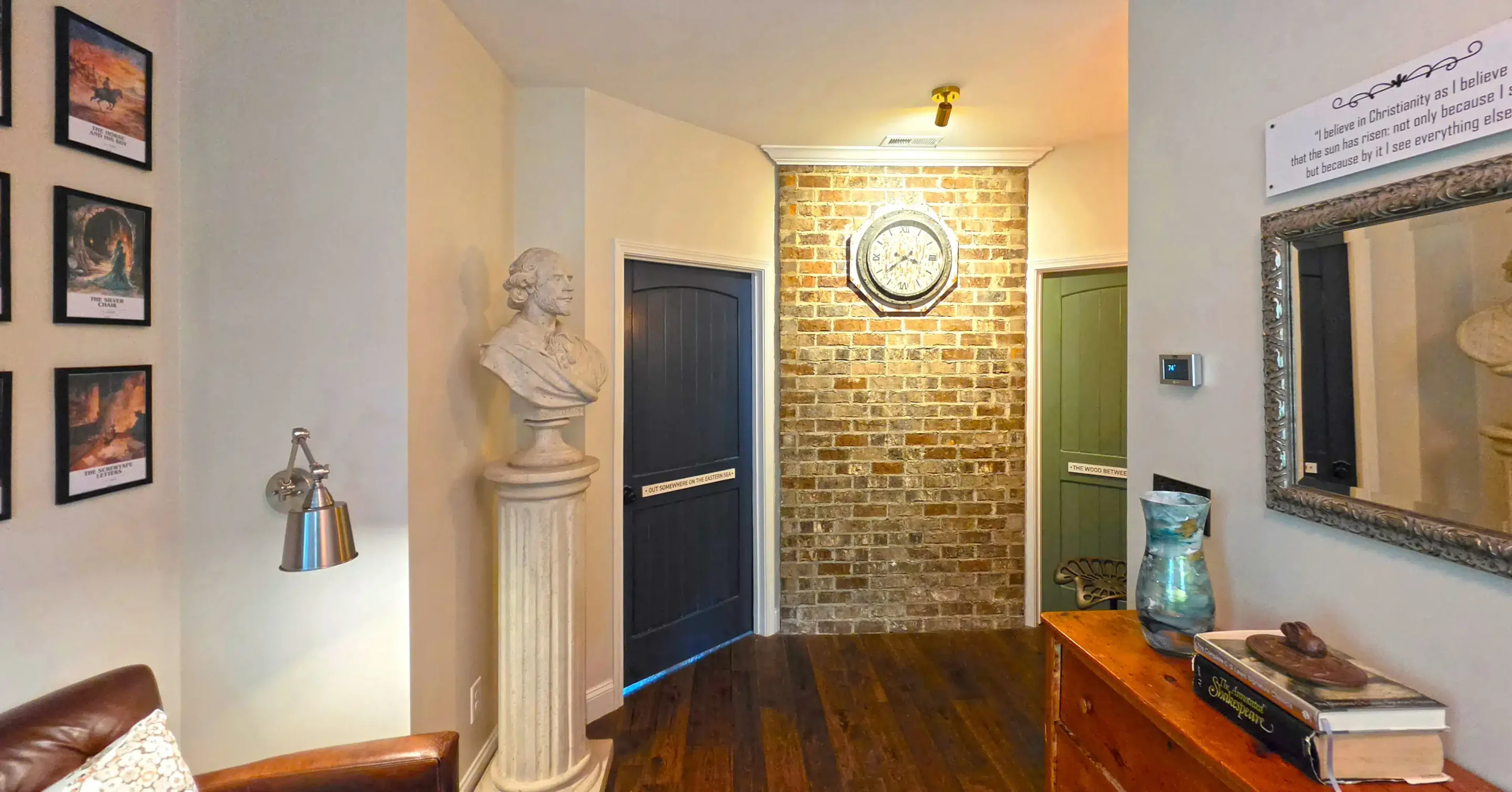
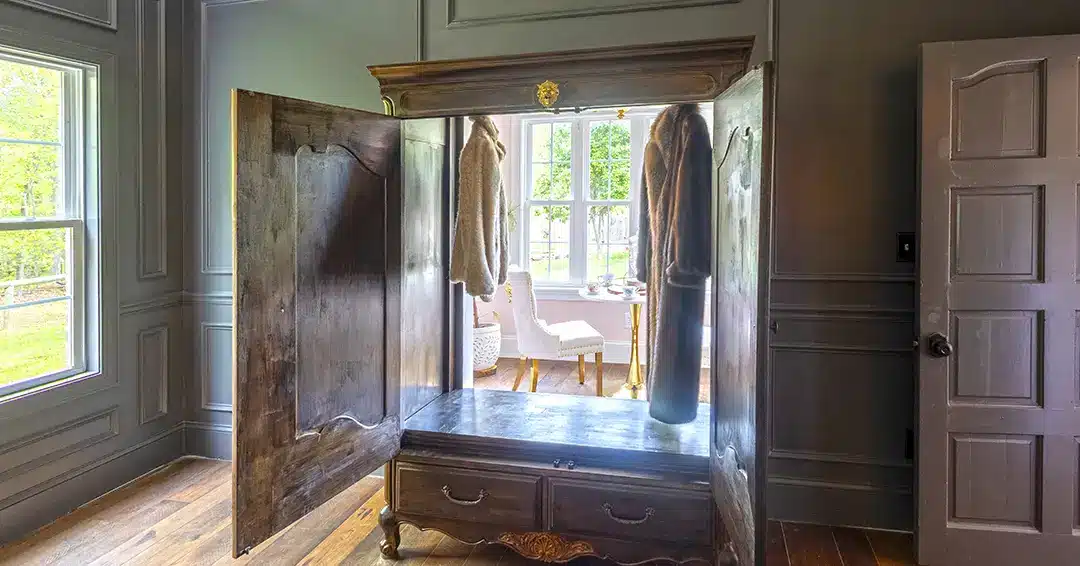
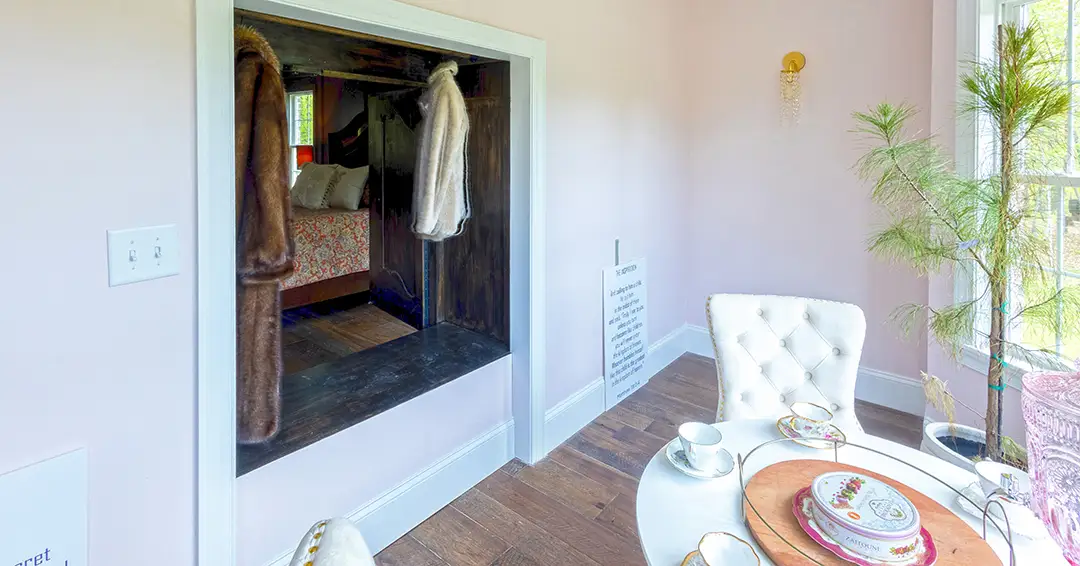
Narnia House is designed to stir your theological imagination with its art, books, maps, and quotes. Plus, you’ll find a passageway, hidden reading nooks, and rooms. And, of course, a lantern in the nearby woods.
All rental proceeds benefit the work of Magnalia Homestead Foundation, a 501(c) (3) non-profit organization.
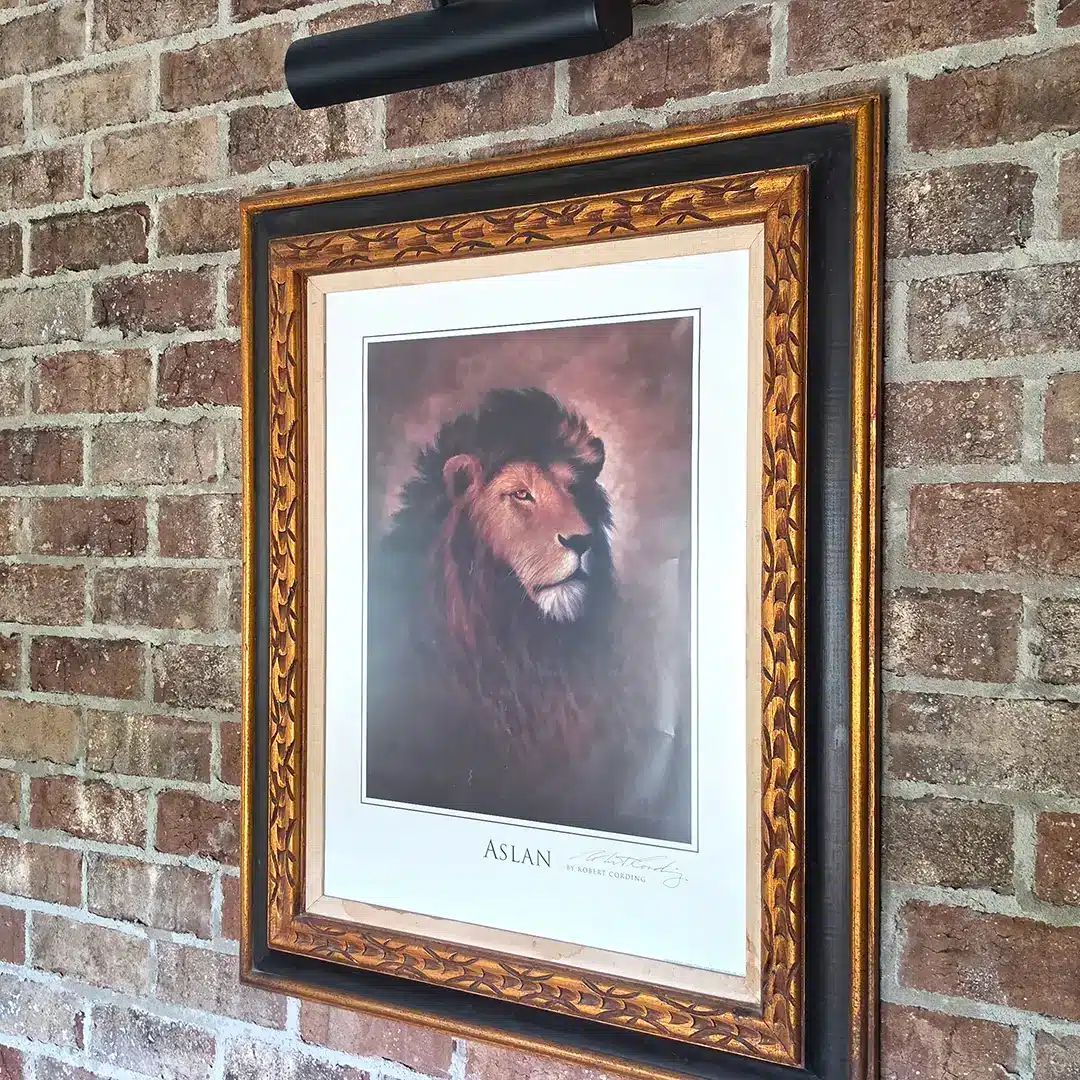
A key figure in Lewis’ Narnia series, Aslan is a prominent feature in Van Eerdan’s interior design for Narnia House. PHOTO BY: Jim Van Eerdan.
A house by and of brick
Narnia House has a close relationship to Pine Hall Brick Company.
In the original Kilns house in Oxford, England, Lewis honored the workers with a brick inscribed “Tradesmen,” laid into the wall near one of the house doors. The building team, Jim Van Eerden, Director of Magnalia Homestead Foundation, Inc., and his son John Mark, asked Walt Steele, president and CEO of Pine Hall Brick Company, for bricks bearing the name Pine Hall to be placed near each entry door to honor the local tradespeople who made the bricks for this special project.
Steele, a fourth-generation brickmaker, said he helped the project with material selection and ideas on how to incorporate name brick into the project.
“We like to help projects that are local to the plant that can give back to the community, especially if they use our products,” said Steele.
“They had some interesting ways in which they wanted to incorporate masonry that was unique to their story and helped connect the project with masonry that went beyond simply saying ‘we are building X, will you give us brick?’”
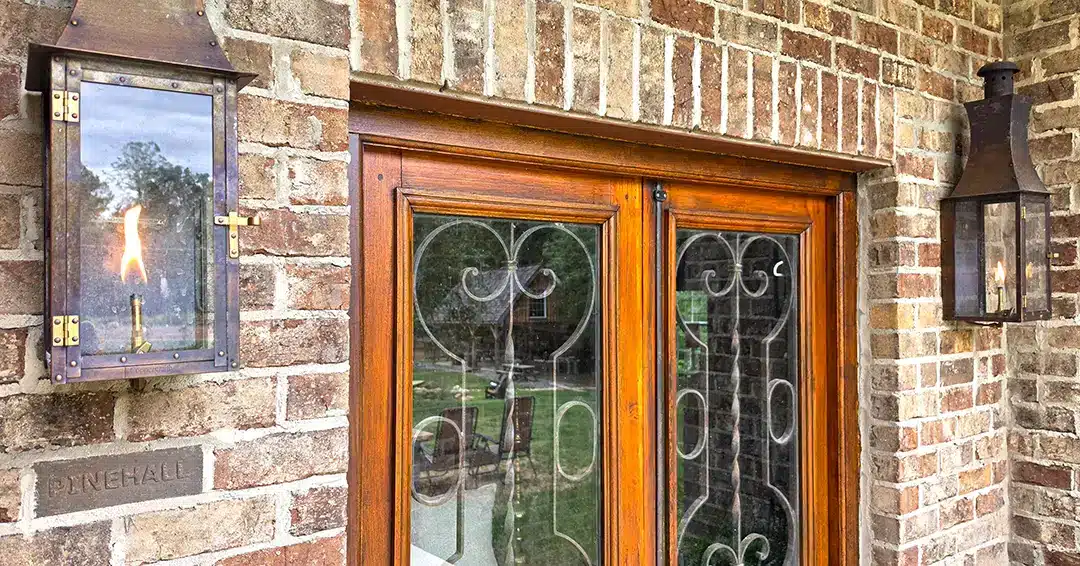
The original C.S. Lewis house in Oxford, England, had bricks inscribed “Tradesmen,” laid into the wall near one of the house doors to honor those who made the brick. Similarly, Narnia House has bricks inscribed with the words Pine Hall (below lamp on left above), to honor the local workers who made the bricks for this special project. PHOTO BY: Jim Van Eerdan.
To put it simply, Narnia House could not not be a brick house.
The Kilns, as its name suggests, is connected to an appreciation of the things of earth, and clay in particular. The house showcases indigenous stone countertops, hand-distressed wood floors, aromatic cedar closets, and other natural features that people appreciate.
These natural building elements are complemented by artifacts from the literature and life of C.S. Lewis.
The design started with a trip to England
The project’s design ideas began with a trip to see the source. The builders traveled to Oxford to visit The Kilns, where Lewis lived from 1930 until he died in 1963.
Scholars say the brickyard’s tranquil atmosphere helped Lewis focus on his writing. Historically, the brickyard reflects the area’s industrial past, which shaped the local economy. Lewis often entertained friends and fellow writers at The Kilns, which fostered a vibrant intellectual atmosphere.
Van Eerden made note of features like stone lintels over selected windows, slate roofing, the arched dormers, the bay windows, the historic gas lanterns, the wrought iron exterior stairs—and the Narnian lamp post in the nearby woods.
Other design influences include border walls around the house, with English ivy and boxwoods, foxgloves, and heirloom roses, which were also a “tip of the hat” to the author’s historic Oxfordshire home.
Each room connects to one or more Narnia books: Professor Kirke’s Quarters, Caspian’s Quarters, The Wood Between the Worlds Room, and The Silver Chair Tub Room. A wardrobe opens to a classic English-style tearoom, if you can navigate through the fur coats to enter it.
Art from Lewis’s England and illustrations from his books adorn the walls, including reprints of the original book covers, selected quotes, and maps. Bookshelves overflow with books, of course
Local builders WOLFE expertly incorporated all of the above from Van Eerdan’s design into this very unique North Carolina labor of love.
And if you wonder why the Narnia project exudes a strong family vibe, it’s partly because WOLFE is owned by Van Eerdan’s daughter and son-in-law, Will and Bekah Wolfe. Bekah Wolfe also serves as a director on the Magnalia Homestead Foundation board, along with other family members.
A global destination
A scholar and seminarian himself, Jim Van Eerden takes pride in having created such a meditative literary destination.
“The design intention seems to have been realized, as visitors have come from as far as Europe, Asia and Africa to stay as a guest in Narnia House, including some of the world’s foremost C.S. Lewis scholars,” said Van Eerden.
“Magnalia Foundation team members have given group tours for over 600 people in the year since its opening. Drawers throughout Narnia House include notes from previous guests, including reprints of favorite quotes from Lewis himself. We hope (everyone) might come experience a stay in Narnia!”